Workout programme for beginners: how to pick the right one
How to choose a workout programme for beginners that you'll stick to, from days per week and home or gym to what a good plan includes and how to tell it's working.
Most people who ask me for a workout programme for beginners have already tried one. Usually it was a six-day split copied from someone who has trained for ten years, and it lasted about a fortnight. The programme wasn't wrong for that person. It was wrong for a beginner with a job, a commute and a life. So before you pick a plan, it's worth knowing what to look for.
Start with how many days you can really train
Be honest about your week, not your best week. The NHS guidelines for adults ask for strengthening activities that work all the major muscle groups on at least 2 days a week, alongside 150 minutes of moderate activity such as brisk walking. The American College of Sports Medicine's position stand on resistance training recommends 2 to 3 sessions a week for novices, meaning people with no lifting experience or who haven't trained for several years.
So a good beginner programme asks for two or three sessions, not five. If three feels like a stretch, choose two you'll actually do. We've looked at the research on this in more detail in is training 3 days a week enough to build muscle?, and the short answer is that it is for most people.
Home or gym: pick the one you'll turn up to
Both work. The NHS lists lifting weights, resistance bands and bodyweight exercises such as push-ups as muscle-strengthening activities, so you don't need a gym to get started. What matters is which one fits your life. A gym ten minutes away beats a better one forty minutes away. A home plan beats a gym membership you never use.
- If you train at the gym, our beginner's 3-day gym plan is a good template to compare others against.
- If you train at home, our 12-week home workout plan has bodyweight and dumbbell or band tracks.
What a good beginner programme includes
Whatever the brand or app, a sensible plan for a beginner tends to share a few features.
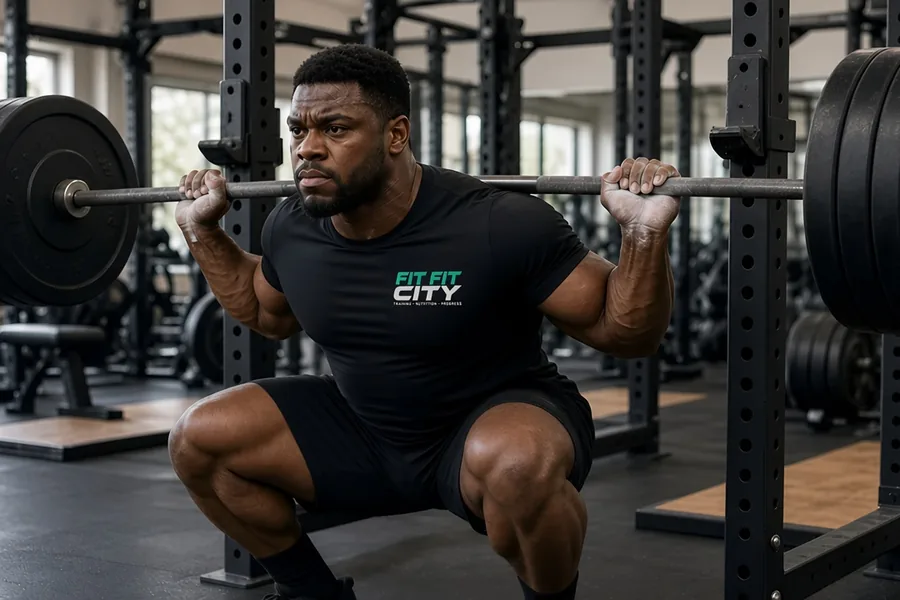
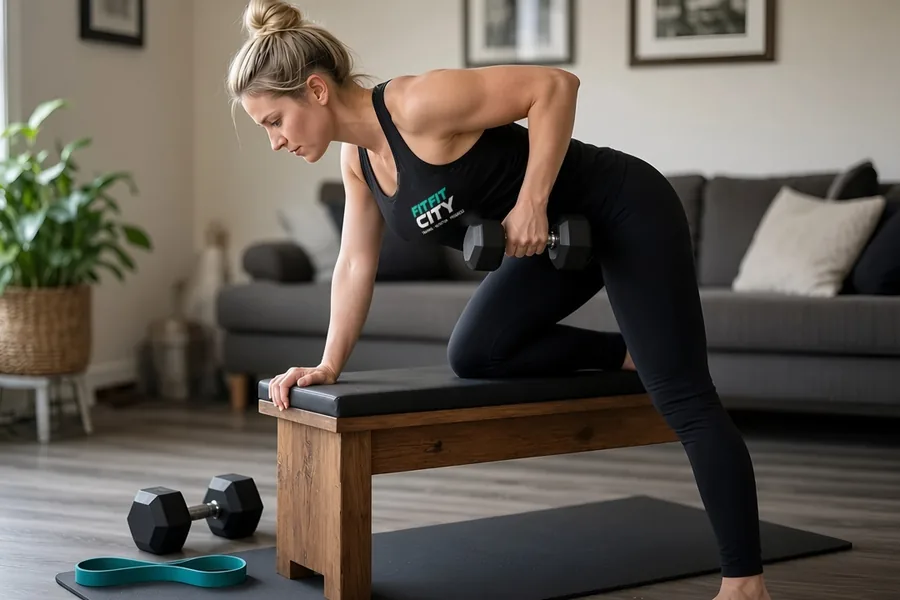
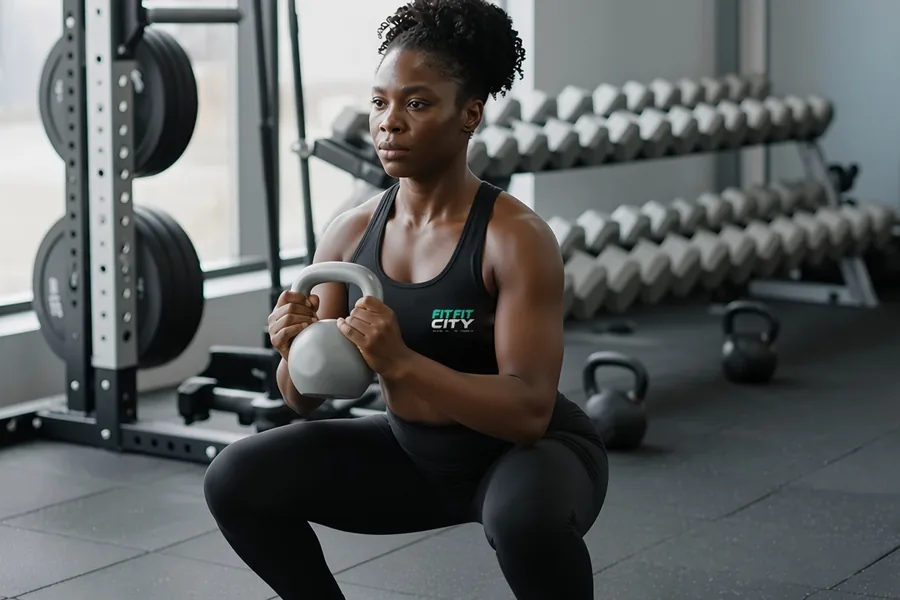
- Full-body sessions built on big moves. A squat pattern such as the goblet squat or, in a gym, the leg press, a hinge like the Romanian deadlift or glute bridge, a push like the push-up and a pull like the one-arm dumbbell row or lat pulldown. The ACSM recommends doing multi-joint exercises before single-joint ones.
- A clear rep target. The ACSM suggests beginners use loads they can lift for about 8 to 12 reps.
- A rule for progressing. The same position stand suggests adding 2 to 10% to the load once you can do one or two reps more than your target. Our guide to progressive overload explains this in plain English.
- Easier and harder options for each move, so a sore knee or a busy gym doesn't end the session.
- Sessions that fit your diary. A plan that needs 90 minutes when you have 45 will be skipped.
Be wary of anything that promises a set result by a set date, needs you to train every day from week one, or leaves you too sore to walk down the stairs.
Why sticking with it matters more than the perfect plan
An umbrella review published in 2021 looked at 55 reviews on why people keep exercising. Among the factors that came up most often were the design of the programme itself, enjoyment and the absence of unpleasant experiences, fitting exercise into daily life, realistic expectations, setting goals and being able to see your progress. One caveat: the review focused on older adults and people with long-term health conditions, so it isn't a direct study of healthy beginners. The themes will sound familiar to anyone who has coached new gym-goers, though.
In practice, choose a plan you don't dread, train at times that already exist in your week, and write things down.
How to know it's working
You'll feel fitter before you see much change in the mirror. Look for signs you can measure:
- you're adding a rep or a little weight to most moves every week or two
- moves feel steadier and you need fewer reminders about form
- you've done most of your planned sessions over the last month
A workout log makes all three easy to see. If nothing has moved for three or four weeks, check sleep, effort and whether you've been progressing the load before you abandon the plan.
A word of caution
The World Health Organization says some activity is better than none and that muscle strengthening benefits everyone, so start where you are. If you haven't exercised for a while or have a medical condition, the NHS advises speaking to your GP first.
If you'd like a set of plans and a log that does the tracking for you, you can try FitFitCity free for a week. Beginner Reset, the 12-week home plan and Mobility + Core are all designed as starting points.
This post is general information, not medical advice. If you have a health condition or concerns, speak to your GP or another qualified professional before changing how you eat or exercise. Read our health and fitness disclaimer.
Try FitFitCity free for a week
Start with a free week of full member access: training plans, the workout log, the food diary and 225 recipes. No card needed.
After that, membership is £79 a year, or £9.99 a month on a 12-month minimum.
Start my free weekSee what’s inside