Exercise and depression: what a new genetics study found
A study of 23,517 adults with Fitbit data found more active people had milder depression symptoms, most clearly at higher genetic risk. What it shows and what it can't.
Plenty of people tell me they train as much for their head as for their body. A new study, picked up this week by Kansas State University and news agencies, adds an interesting detail to that: the link between movement and mood might matter most for people whose genes put them at higher risk of depression.
What the researchers did
The paper in Nature Mental Health used data from 23,517 adults in the All of Us Research Program, a large US health study. Participants had an average age of about 56 and two thirds were women. Each person had their whole genome sequenced, and everyone had worn a Fitbit for a long stretch, about 582 days on average.
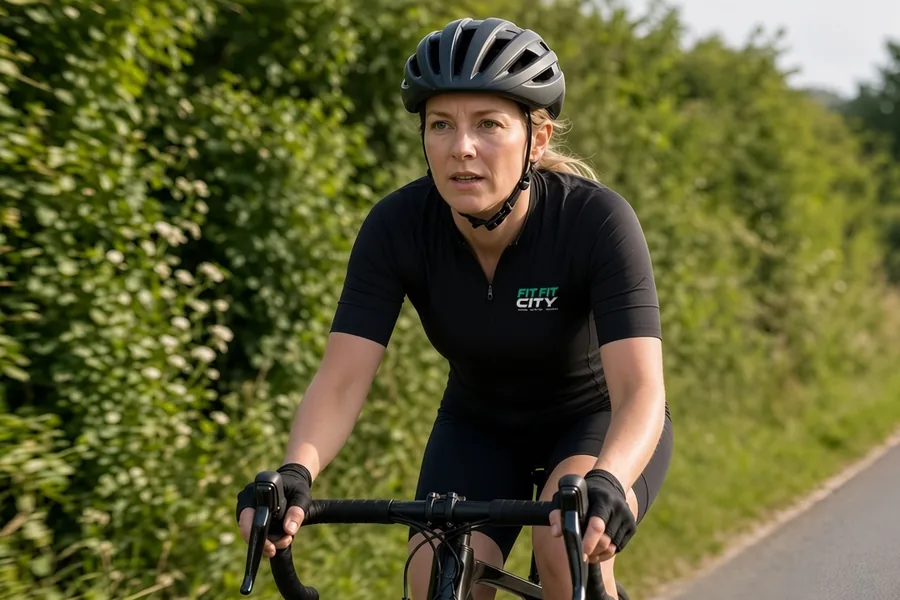
That long wear time is the interesting bit. As first author Qiliang He told Medical Xpress, a lot of earlier work relied on people reporting their own activity, or on trackers worn for about a week. Here the team could look at real daily steps and minutes of moderate to vigorous activity over more than a year.
From the genetic data they worked out a polygenic risk score for each person, which sums up many small genetic differences linked to depression. They then looked at two things: whether people had ever been diagnosed with depression, and how severe their symptoms were, using health records.
What they found
- People with a higher genetic risk score were more likely to have a depression diagnosis.
- People who were more active, by steps or by minutes of moderate to vigorous activity, were less likely to have one.
- For diagnosis, the two worked separately. Being active didn't change how strongly genetic risk was linked to being diagnosed.
- For symptom severity, it was different. More active people tended to have milder symptoms, and the link between genetic risk and severity was weaker in the more active group.
In plain English: your genes didn't seem to decide how bad symptoms got as strongly if you moved more. As the Kansas State write-up puts it, both tracker measures "showed a consistent pattern".
What it can't tell us
This is an observational study, and the authors are upfront about it. He said the team "cannot conclude that increasing physical activity directly offsets genetic risk". It could partly work the other way round: people with milder symptoms may find it easier to stay active. Fitbit owners in a US research programme aren't a perfect match for everyone in the UK, either. And the study doesn't tell us a specific number of steps or minutes that protects anyone.
So read this as a promising signal that fits with what we already know, not proof that exercise treats depression.
What we already know
The NHS says regular exercise can boost your mood if you have depression and is especially useful for people with less severe depression. It also notes that GPs can prescribe exercise, and that NICE recommends group exercise as an option for less severe depression. The general target for adults is 150 minutes of moderate activity a week, built up gradually if you've not exercised for a while.
How I'd use this
If low mood is part of your life, the most useful thing in this study is that steps counted. You don't need a punishing programme.
- Walk most days. The NHS says even a brisk 10-minute walk can help clear your mind. Our post on how many steps a day covers sensible targets.
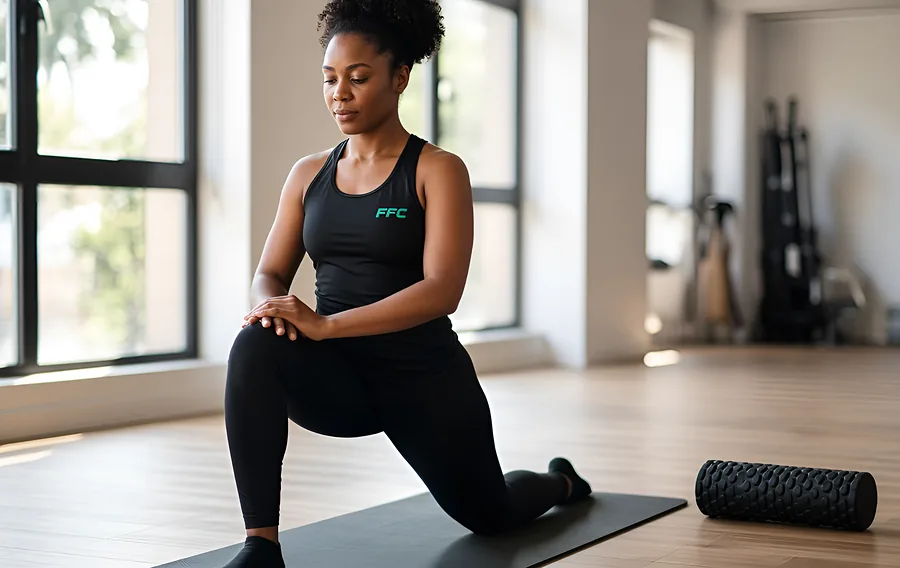
- Add two short strength sessions a week. Simple moves like bodyweight squats, glute bridges and step-ups on the bottom stair are enough to start.
- Train with other people if you can. A class, a walking group or a friend at the gym makes it easier to turn up on a flat day.
- Keep it kind. Missing a week isn't failure. Restarting small is the skill.
If you'd like a simple plan and a log to track your sessions and steps, you can try FitFitCity free for a week.
Exercise sits alongside other help, not instead of it. If you've been feeling low for a while, speak to your GP. If you need to talk to someone now, Samaritans are free to call on 116 123, any time.
This post is general information, not medical advice. If you have a health condition or concerns, speak to your GP or another qualified professional before changing how you eat or exercise. Read our health and fitness disclaimer.
Try FitFitCity free for a week
Start with a free week of full member access: training plans, the workout log, the food diary and 225 recipes. No card needed.
After that, membership is £79 a year, or £9.99 a month on a 12-month minimum.
Start my free weekSee what’s inside