Online personal trainer or fitness membership in the UK?
What an online personal trainer gives you, what a self-guided fitness membership gives you, what research on supervision says and how to choose in the UK.
People often ask me whether they should pay for an online personal trainer or just follow a plan on their own. It's a fair question, and the honest answer is that they're different products. One sells you a person's time and attention. The other sells you a structure that you run yourself. Here's what each gives you, what the research on supervision actually says, and how to work out which is worth your money.
What an online personal trainer gives you
A good online coach builds a programme around you: your goal, your equipment, your injuries and your diary. You send videos of your lifts or fill in a weekly check-in, and they adjust the plan. Many add messaging, nutrition guidance and a regular call. The real value is accountability, and someone spotting problems you can't see yourself.
Prices vary so much, from app-based coaching to experienced coaches with waiting lists, that I won't quote a typical figure. When you compare coaches, ask for the full monthly price, how often you'll get a check-in, how quickly they reply, how long the minimum term is, and what qualifications and insurance they hold.
What a self-guided membership gives you
A membership like FitFitCity is not personal training, and we don't pretend it is. Nobody writes your programme from scratch or watches your squat. What you get is a library of ready-made plans, a log and food tools. For £79 a year, or £9.99 a month on a 12-month minimum, members get 13 training plans, including a 12-week home plan, a workout log that tracks personal bests and suggests what to do next time, a food diary and 225 recipes. The FAQ lists everything that's included.
That suits people who know roughly what they want and need a plan to follow and a way to track it. It's less good if you need someone to check your form, plan around an injury or chase you when you skip sessions.
What the research says about supervision
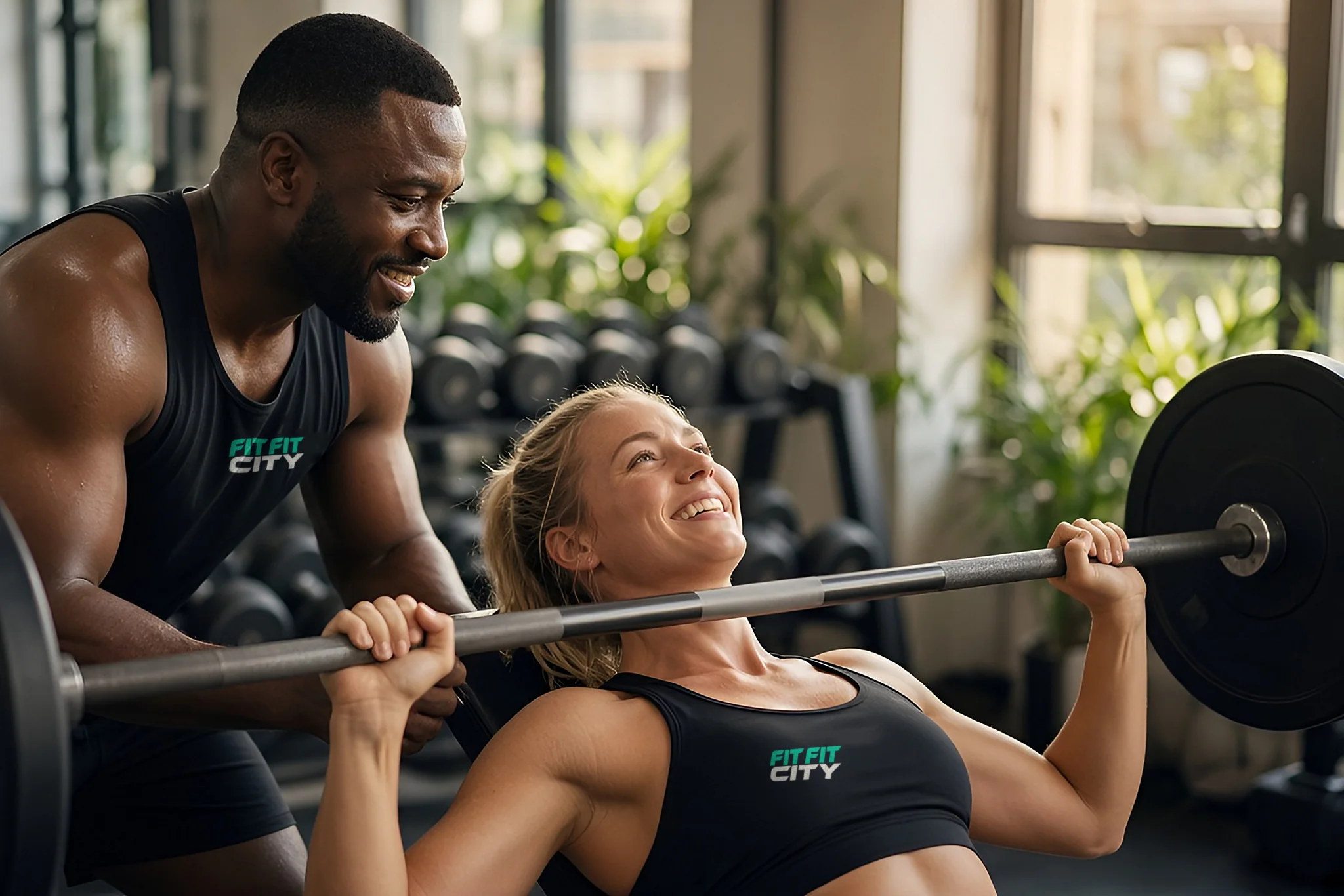
There's reasonable evidence that being coached through your sessions helps, but the effect is smaller than you might expect. A 2022 systematic review and meta-analysis led by researchers at Solent University pooled 12 studies comparing supervised and unsupervised resistance training. Supervision might give a small extra benefit for performance, most likely strength, but made little difference to body composition. The authors called their analysis exploratory and said the studies varied too much for firm recommendations.
Single trials point the same way. In a 2023 study in the Journal of Sports Sciences, 36 young adults who already lifted followed the same 8-week programme, with or without supervision. The supervised group generally gained more muscle thickness and more squat strength, while bench press results were similar. An older trial from 2000 found that moderately trained men supervised by a personal trainer increased their training loads faster and ended up stronger on the squat and bench press.
One big caveat: in these studies a person was there in the session. An online coach reviewing your video once a week is not the same thing, and these studies don't tell us how online coaching compares with a self-guided plan. Treat them as a hint about what feedback and accountability can add, not proof that online personal training beats a plan.
Gym membership or online membership: the costs
If you're weighing up a gym as well, prices have crept up. Savills' March 2026 report on the UK health and fitness sector, using Leisure DB data, says average monthly fees at low-cost gyms have passed £25 for the first time, with London clubs averaging £30.61 a month against £24.52 elsewhere. Mid-range and premium clubs cost more, so ask about joining fees and the contract length before you sign.
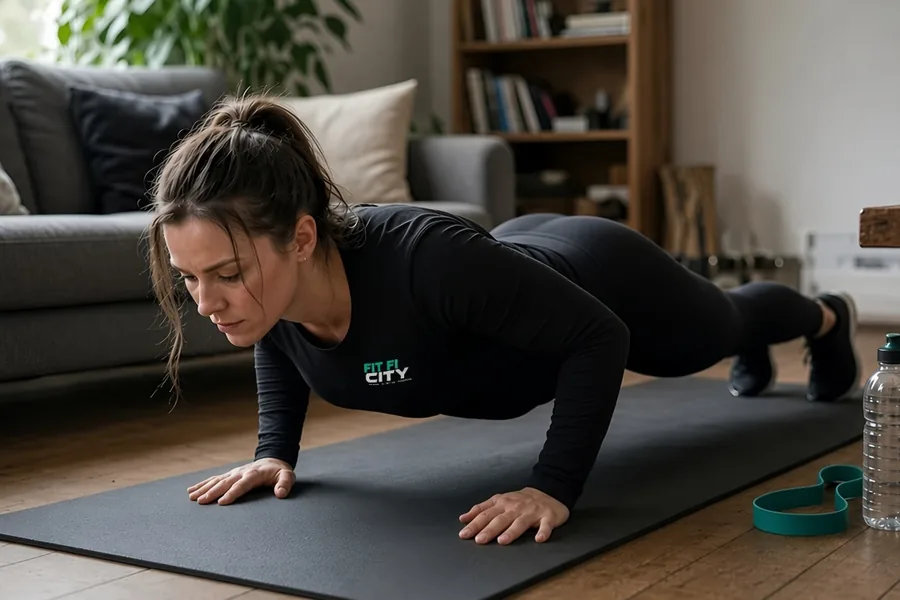
A gym gives you equipment, and often classes, that no app can. An online membership gives you the plan and the log but not the kit. Plenty of people combine the two: a budget gym for the barbells, plus a plan to follow when they get there, such as our beginner's 3-day gym plan. If you train at home, the free 12-week home workout plan shows you how a self-guided plan works before you spend anything.
How to choose
- An online personal trainer makes sense if you have a specific goal or event, an injury to work around, or you know you won't train without someone checking in.
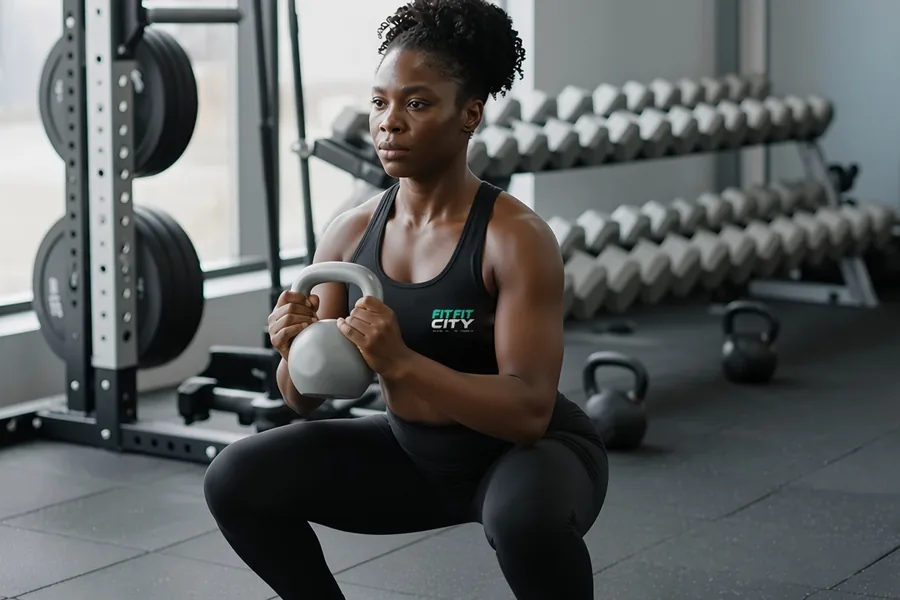
- A self-guided membership makes sense if you want structure and tracking at a low cost and you're happy to follow a plan. Learn the basics first: the goblet squat, push-up, glute bridge and one-arm dumbbell row are explained step by step in our free exercise library.
- Both can work too: a few months of coaching to learn good form, then a membership to keep going for less.
Whichever you pick, the NHS guidelines for adults ask for strengthening activities on at least 2 days a week, alongside 150 minutes of moderate activity. If you have a health condition or haven't been active for a while, speak to your GP before you start.
If you'd like to see how a self-guided plan feels, you can try FitFitCity free for a week and follow any of the plans with the workout log.
This post is general information, not medical advice. If you have a health condition or concerns, speak to your GP or another qualified professional before changing how you eat or exercise. Read our health and fitness disclaimer.
Try FitFitCity free for a week
Start with a free week of full member access: training plans, the workout log, the food diary and 225 recipes. No card needed.
After that, membership is £79 a year, or £9.99 a month on a 12-month minimum.
Start my free weekSee what’s inside