Do you need protein powder? What dietitians told the BBC
A BBC health reporter asked experts whether her 12-year-old needs protein powder. Their answer applies to plenty of adults too.
Walk into any supermarket and you’ll find protein added to yoghurts, cereals, bread and bars. Scroll through social media and you’ll see shakes promoted as the shortcut to getting fitter and bigger. So it’s no surprise that children are asking for them too.
On 15 October, BBC health reporter Nat Wright wrote about exactly that. Her 12-year-old son, who plays a lot of sport, keeps asking to try protein powder, and some of his friends already use it. She put the question to a registered dietitian and a consultant paediatrician. Their answers are worth reading in full, and they’re useful well beyond the school gate.
What the experts said
Registered dietitian Nichola Ludlam-Raine told the BBC that teenage boys and girls can get all the protein they need from food alone. She warned against focusing on protein at the expense of other nutrients, pointing out that iron and calcium are especially important for teenage girls.
She also made a point that applies to everyone: protein powders aren’t regulated as tightly as medicines. Some brands use independent testing to check that the label matches what’s inside, but not all do. Some products contain a lot of added sugar, and some contain stimulants that aren’t obvious from the front of the tub. Powders can also cause bloating, wind, cramps and diarrhoea, and people with health conditions shouldn’t use them unless their doctor has said it’s fine.
Consultant paediatrician Dr Ramnik Mathur added that whole foods bring micronutrients such as zinc, calcium and magnesium. Replace meals with shakes and you lose those. His summary was simple: a 12-year-old who eats a healthy, balanced diet shouldn’t need any more protein.
Both agreed that powders can have a place, for example for high-level athletes or people with certain allergies, but not as a replacement for a healthy diet. If a teenager still wants to try one after improving their diet, the advice was to speak to a registered dietitian or nutritionist first.
Why this applies to adults too
The BBC piece is about children, but the reasoning carries over. The British Nutrition Foundation puts the adult reference intake at 0.75 g of protein per kilogram of body weight per day, and says that, on average, people in the UK already eat more than that. People who train regularly may benefit from more, and the BBC article notes that very active people could have up to 2 g per kilogram. Even at those higher levels, ordinary food can usually get you there.
A protein shake is a convenience, not a requirement. It can be handy after an early session when you won’t eat for a while, or on a busy day. It won’t build muscle on its own. As Ludlam-Raine put it, “you can’t just have a shake and your biceps grow”. Muscle comes from training consistently, adding a little more over time and eating enough overall.
A food-first approach
The experts in the BBC piece suggested spreading protein across the day, aiming for around 20 to 25 g a meal. In practice that looks like:
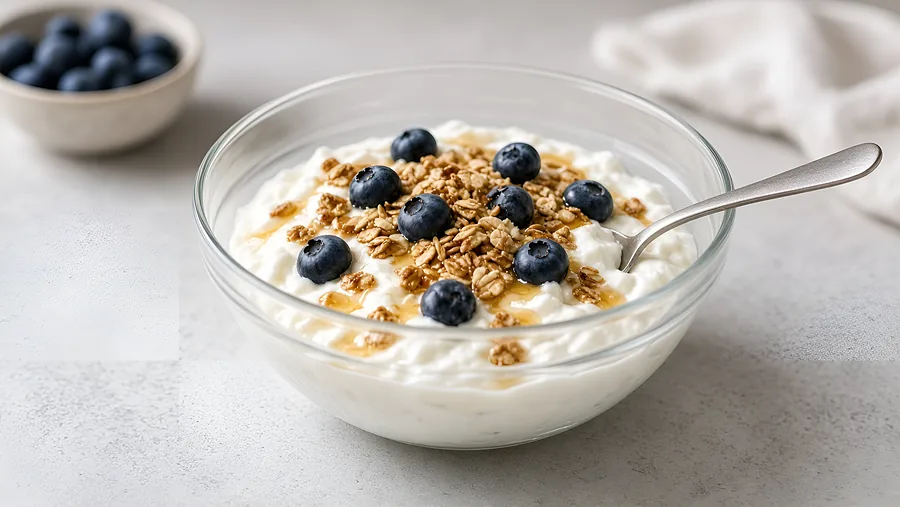
- Breakfast: eggs, Greek yoghurt or skyr, or porridge made with milk.
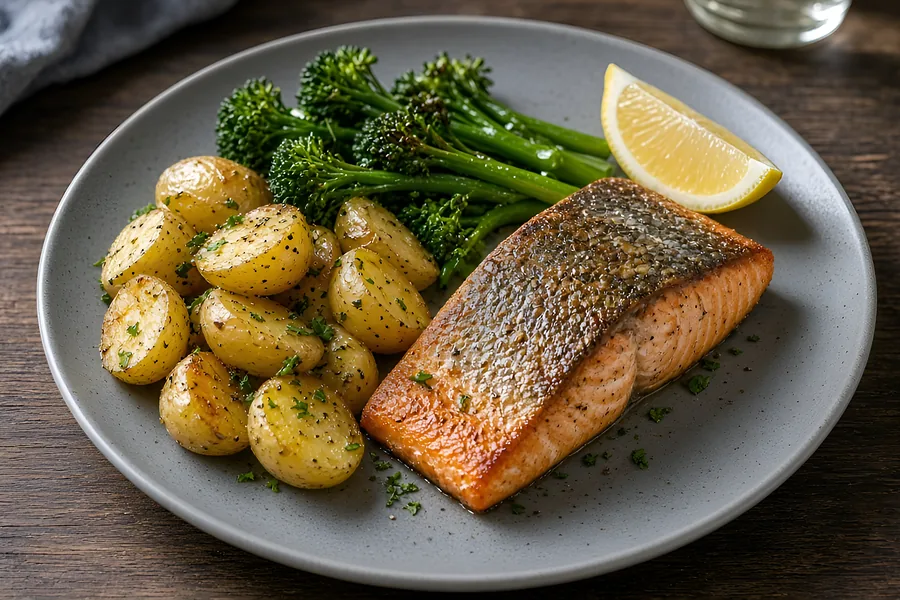
- Lunch: chicken, tinned fish, beans, lentils or tofu alongside your carbs and vegetables.
- Dinner: fish, lean mince, chicken, or a bean or lentil dish.
- Snacks if you need them: a glass of milk, cottage cheese, a yoghurt or some edamame.
These foods bring fibre, vitamins and minerals that a scoop of powder won’t. Beans, lentils, eggs, milk and tinned fish are also some of the easiest protein foods on a budget.
If you do use a powder
Choose one that’s independently tested, check the ingredients for added sugar and caffeine or other stimulants, and treat it as one part of your diet, not the centre of it. If you have kidney problems or any other health condition, are pregnant, or have been given a special diet, check with your GP or dietitian first.
And if there’s a 12-year-old at home asking for a tub, the experts’ view is clear: more variety on their plate will do more than a shake.
This post is general information, not medical advice. If you have a health condition or concerns, speak to your GP or another qualified professional before changing how you eat or exercise. Read our health and fitness disclaimer.